What Is Payroll Accounting? Complete Guide for HR and Employers
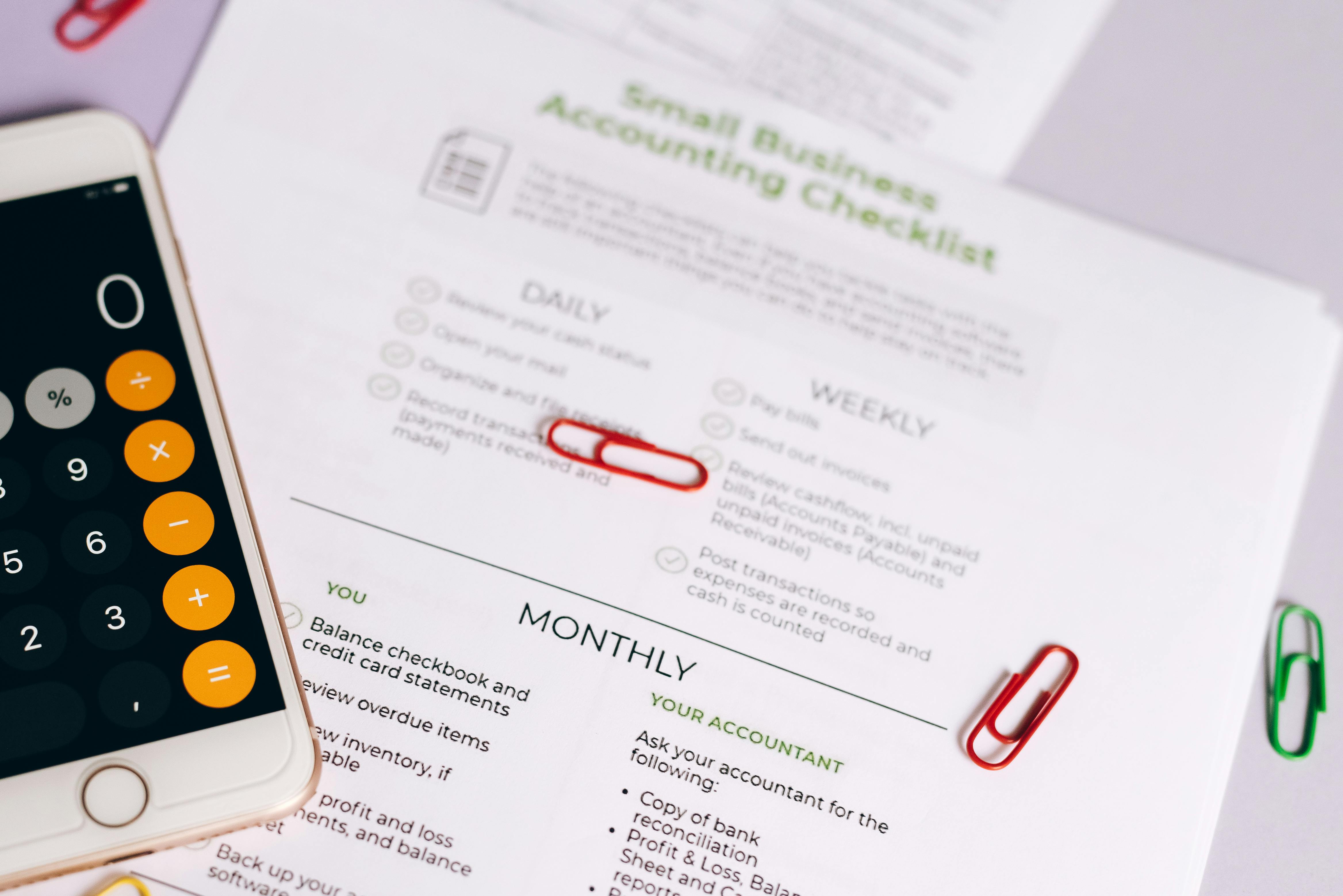
Payroll accounting is a key function within any organisation, ensuring that employee compensation is recorded accurately and reflected correctly in financial records. It refers to the process of logging and managing all financial transactions related to employee pay. This includes salaries, wages, bonuses, deductions, taxes, and employer contributions.
Each payroll cycle generates financial data that must be properly documented. Accurate records ensure employees are paid correctly and that statutory obligations are met. Payroll accounting also feeds directly into broader financial reporting.
For HR teams and employers, maintaining structured payroll processes supports compliance, cost control, and operational stability.
Why Accurate Accounting Is Essential for Salaries
Payroll accounting impacts reporting, employee relations, and adherence to laws.
Regulatory Compliance
Employers must meet tax and labour law requirements. Inaccurate payroll records can result in fines, audits, or legal penalties.
Financial Reporting
Payroll is often one of the largest business expenses. Errors can distort financial statements, affect budgeting, and influence business decisions.
Employee Confidence
Reliable payroll builds trust. Mistakes can lead to dissatisfaction, decreased morale, and higher staff turnover.
Cost Control
Accurate payroll tracking helps businesses monitor labour costs, identify inefficiencies, and manage budgets effectively.
Operational Efficiency
Structured payroll processes streamline administrative tasks, reduce manual errors, and save time for HR and finance teams.
Audit Preparedness
Well-maintained payroll records create a clear audit trail, making internal reviews and regulatory inspections smoother and faster.
Strategic Decision-Making
Accurate payroll data supports workforce planning, compensation strategies, and long-term financial planning.
Key Components
Gross pay: Total earnings before deductions
Net pay: Final amount paid to employees
Deductions: Taxes, pensions, and other withholdings
Employer contributions: Additional costs incurred by the employer
Payroll liabilities: Amounts owed to external bodies
Each component affects different accounts, reinforcing the need for accuracy.
How it Works
Payroll accounting follows a structured sequence of steps to ensure accuracy, consistency, and compliance.
Step 1: Calculate Employee Pay
The process begins by calculating gross pay, including salaries, overtime, and additional earnings. Deductions such as taxes and pension contributions are then applied to determine net pay.
Step 2: Record Transactions
Once calculated, payroll figures are recorded as journal entries, capturing the financial impact of wages, deductions, and employer obligations.
Step 3: Post Entries to the General Ledger
These entries are then transferred to the general ledger and organised into accounts such as wages, liabilities, and cash, ensuring accurate financial reporting.
Step 4: Track and Settle Liabilities
Amounts owed to third parties, including tax authorities and pension providers, are monitored and paid on time to maintain compliance.
Step 5: Review and Reconcile Records
At the end of each accounting period, adjustments such as accrued wages may be recorded. Regular reconciliation ensures payroll data aligns with financial statements.
Understanding Debits and Credits in Accounting
To see how payroll transactions are recorded, it helps to understand the basics of debits and credits.
In accounting, the debit (Dr) side of a ledger records increases in assets and expenses. The credit (Cr) side records increases in liabilities, income, and equity. Conversely, decreases in assets or expenses are recorded as credits, while decreases in liabilities, income, or equity are recorded as debits.
Every transaction follows double-entry accounting, meaning each debit has a corresponding credit. One entry shows how funds are used, while the other shows where they come from.
With these basics, payroll transactions can be properly recorded in the general ledger. Wages and employer contributions are logged as expenses (debit), tax deductions as liabilities (credit), and payments reduce cash balances (credit). This ensures all payroll activity is accurately reflected in financial records and financial statements.

Example of How to Make an Entry
Consider an employee with a monthly salary of AED 10,000, where AED 2,000 is deducted for taxes.
Employer’s Perspective (Accounting Entry)
The employer records the full salary as an expense while recognising deductions as liabilities:
Debit (Dr): Salaries Expense – AED 10,000
Credit (Cr): Cash/Bank – AED 8,000
Credit (Cr): Tax Payable – AED 2,000
This shows the total cost to the business and the obligation to remit taxes to the authorities.
Employee’s Perspective (Take-Home Pay)
For the employee, the breakdown is as follows:
Gross pay: AED 10,000
Deductions (tax): AED 2,000
Net pay received: AED 8,000
The employee receives the net amount, while the deducted portion is paid by the employer to the relevant authority.
Here is how the records appear in the general ledger:
Item | Debit (Dr) | Credit (Cr) |
Salaries Expense | AED 10,000 | - |
Cash/Bank | - | AED 8,000 |
Tax Payable | - | AED 2,000 |
Common Challenges for Employers
Payroll accounting presents several operational challenges.
Complex Calculations
Managing overtime, bonuses, and deductions increases the risk of errors, especially when handled manually.
Regulatory Changes
Frequent updates to tax and employment laws require ongoing attention.
Data Accuracy
Incorrect data can affect both payroll outcomes and financial reporting.
System Integration
Poor integration between payroll and accounting systems can lead to inconsistencies.
Employee Classification
Misclassifying employees, contractors, or part-time staff can lead to incorrect deductions, tax reporting issues, and potential compliance violations.
Confidentiality and Data Security
Payroll involves sensitive personal and financial information. Weak data protection can result in breaches, identity theft, or regulatory penalties.

Best Practices for Payroll Management
Payroll challenges can be effectively managed through a combination of technology, structured processes, and external support:
Outsource the Function
Engaging professional accounting and payroll services can reduce administrative burden, support accurate calculations, ensure compliance with regulations, and handle reporting requirements. This allows organisations to focus on core operations while keeping payroll processes reliable.
Implement Strong Processes
Maintaining structured payroll procedures improves accuracy:
Keep employee and payroll data up to date
Automate calculations where possible
Reconcile records regularly
Monitor regulatory changes
Protect sensitive information
Consistency in these areas reduces errors, ensures compliance, and builds trust among employees.
Leverage Technology for Efficiency
As organisations grow, payroll complexity increases. Using small business accounting and payroll software automates calculations, reduces manual workload, and ensures accurate reporting. Cloud-based tools provide secure access and help maintain consistency even as payroll volumes rise.
Final Thoughts
Payroll accounting plays a central role in managing employee compensation and maintaining accurate financial records. Clear processes, reliable systems, and regular checks help ensure compliance and reduce errors.
For HR teams and employers, effective payroll accounting supports both operational efficiency and financial transparency. Whether managed internally or with external support, accuracy remains essential for sustainable business performance.
Frequently asked questions
What is the accounting entry for payroll?
The journal entry for payroll accruals involves debiting the salaries expense account and crediting accrued payroll liabilities. This approach ensures that expenses are recorded in the period in which employees earn their wages, even if payment is made at a later date, supporting accurate financial reporting.
What is the 7-minute rule for payroll?
In simple terms, if an employee clocks in within seven minutes after their scheduled start time (for example, 7:07 am), the time is rounded back to 7:00 am. However, if the employee clocks in eight minutes or more after the scheduled time (for example, 7:08 am), the time is rounded forward to the next quarter hour, which would be 7:15 am in this case.
What is a payroll checklist?
A payroll checklist provides a structured approach to managing payroll activities. It helps ensure that all tasks are completed, from pre-payroll steps such as collecting employee information and classifying workers, through to processing payments and maintaining accurate payroll records.
What is the formula for calculating payroll?
The standard formula for payroll is: Net pay = Gross pay – Deductions. Gross pay represents the total earnings an employee receives before any deductions, including base salary, bonuses, overtime, and commissions.
What are three functions of payroll?
Payroll serves several key purposes in managing employee compensation: 1. Managing Employee Compensation : Ensures that employees are paid accurately and on time. 2. Calculating Taxes and Deductions : Accurately determines statutory and voluntary deductions such as taxes, pensions, and other contributions. 3. Providing Financial Reports: Supplies detailed payroll data for accounting, reporting, and compliance purposes.